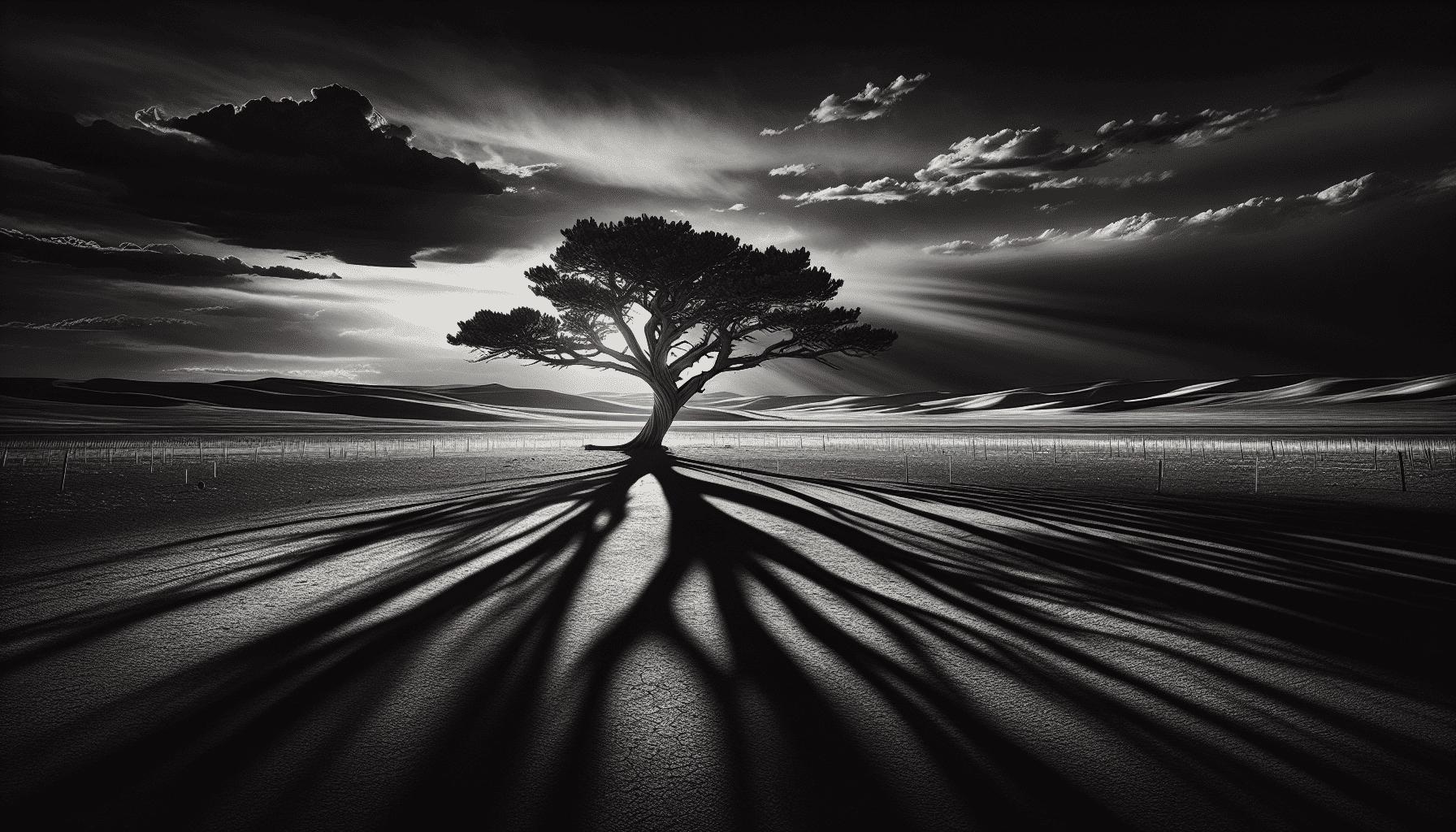
Photography is a captivating medium that allows us to capture and communicate the beauty of the world around us. Among the most powerful elements at a photographer's disposal are light and shadow, the twin forces that can transform an ordinary scene into a striking composition.
Light and shadow are the yin and yang of photography, inseparable and in constant interplay. Mastering their use requires an understanding of various techniques and a keen eye for detail. Whether you're capturing a sun-drenched landscape or a moody portrait, the way you harness light and shadow can dramatically alter the mood and impact of your image.
The first step in mastering this art is to understand the different qualities of light. Light can be soft or hard, warm or cool, natural or artificial. Each type of light creates distinct shadow patterns and affects the texture and mood of a photograph. Soft light, such as that on a cloudy day, produces gentle shadows and even illumination, which is ideal for portraits and close-ups. Hard light, like direct sunlight, creates bold shadows and highlights, adding drama and depth to your images.
Timing is another crucial factor in utilizing light to its fullest potential. The golden hours, shortly after sunrise and before sunset, are lauded for their warm tones and soft shadows, enhancing the beauty of landscapes and portraits alike. During these times, the low angle of the sun creates long, evocative shadows that can add interest and dimension to your composition.
In contrast, high noon often presents harsh lighting conditions with strong, downward shadows. However, this time of day can be leveraged creatively, using harsh shadows to create striking patterns and contrasts. For those willing to experiment, midday shadows can be as much an asset as those of the golden hours.
Apart from natural light, artificial sources like studio lighting can be meticulously controlled to shape your photographic narrative. By adjusting the position and intensity of artificial lights, photographers can replicate different times of day or highlight specific elements within a scene.
Furthermore, the practice of chiaroscuro—an Italian term meaning “light-dark”—is a powerful method of using light and shadow to create high contrast images. This technique emphasizes the difference between light and dark, adding a three-dimensional quality to photographs by suggesting depth and volume. It is widely used to evoke emotions, adding a layer of drama and tension to portraits and stills alike.
To truly capitalize on the play of light and shadow, it's essential to train your eye to see beyond the obvious. Look for the subtle interaction between highlights and shadows, and think about how you can use them to lead the viewer's eye through an image or to emphasize the subject's features.
In essence, the dance of light and shadow is a never-ending exploration of contrast and balance, offering endless opportunities for creativity. By experimenting with different lighting conditions, angles, and techniques, you can transform a simple photograph into a powerful visual story that captivates viewers and stirs the imagination. Through careful observation and practice, the art of light and shadows becomes not just a tool in your photography, but a profound language all its own.