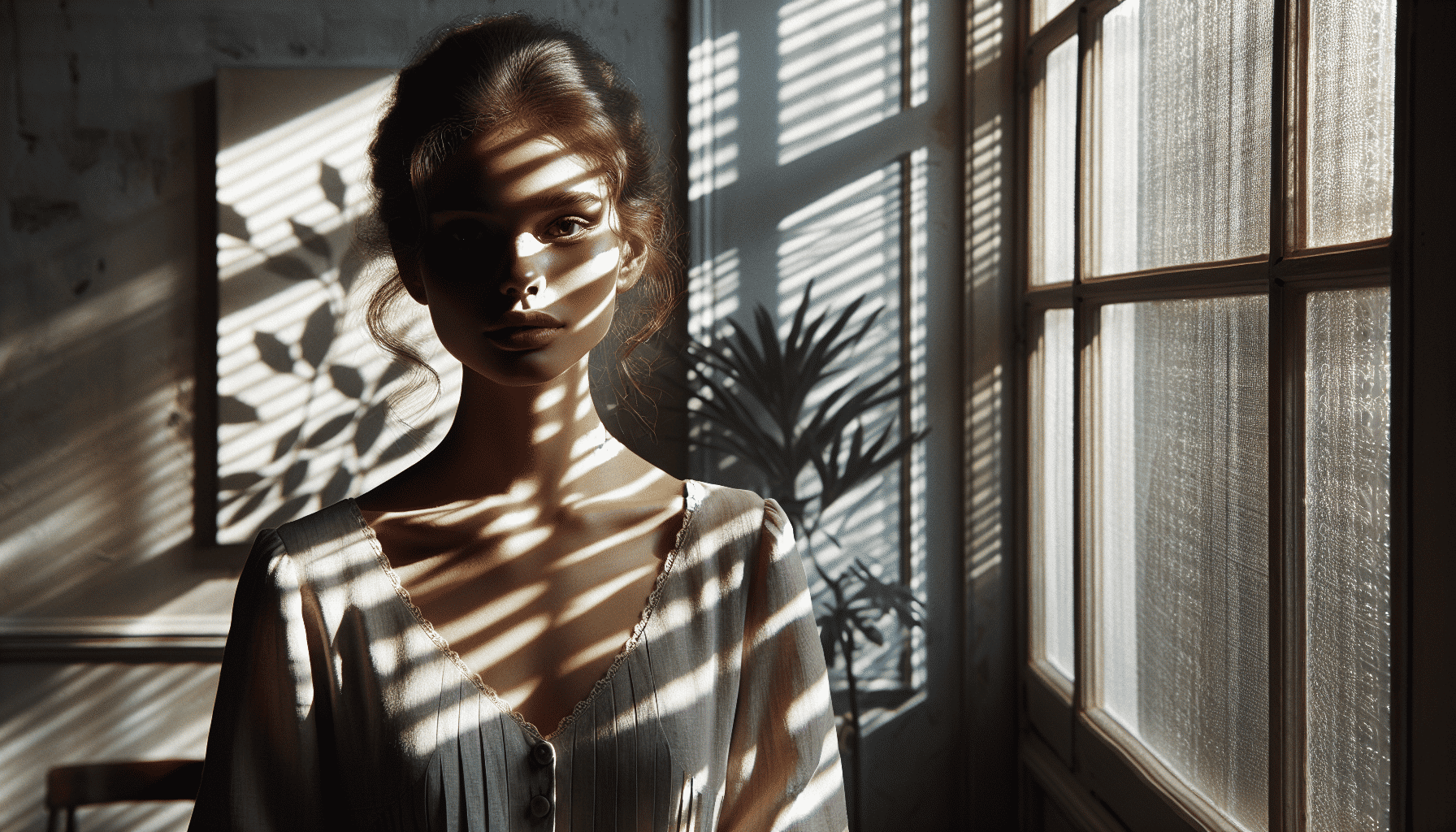
Exploring the interplay of light and darkness offers a rich canvas for capturing the emotional depth in photographs. Shadows, often regarded as mere byproducts of illumination, are far more; they are nuanced storytellers capable of evoking powerful emotions. The subtle use of shadows can forge a deep connection with viewers, transforming a simple image into a compelling narrative.
Shadows have an innate ability to encapsulate emotions—a splash of mystery, a hint of nostalgia, or the weight of solitude. They add depth and dimension, turning flat scenes into dynamic compositions. To harness this capability, it is crucial to understand the psychological effects shadows have on the viewer. Dark, elongated shadows can suggest drama or tension, often evoking feelings of suspense or unease. Softer shadows can lend a scene a meditative or dreamy quality, instilling tranquility or melancholy.
One tried-and-true method for employing shadows is chiaroscuro, a technique mastered by many Renaissance painters and later adopted by photographers. Chiaroscuro relies on the stark contrast between dark and light to convey volume and drama. By selecting scenes with naturally high contrast, or creatively manipulating light sources, photographers can create mood-driven experiences that transport viewers.
The direction and quality of light play pivotal roles in shadow expression. Side lighting can accentuate textures and contours, adding an emotional texture that draws the viewer in. Backlighting, on the other hand, can create silhouette effects, where the subject is cloaked in shadow against a luminous background, provoking intrigue and inviting personal interpretation by leaving elements to the imagination.
Furthermore, the interaction between shadows and the human form is particularly potent. Shadows cast by people can amplify emotions—an outstretched hand's shadow might suggest longing, while a shadow-filled room can symbolize isolation. Observing how shadows alter perceptions of human expressions offers a path to exploring profound emotional narratives in photography.
In summary, shadows are not mere absence of light; they are vital elements of storytelling in visual art. By understanding their psychological impact and experimenting with light direction and quality, photographers can employ shadows to evoke complex emotions, creating images that resonate on a profoundly emotional level. The next time you frame a shot, consider the shadows—they may just unlock the emotive power needed to transform your photo into a compelling story.