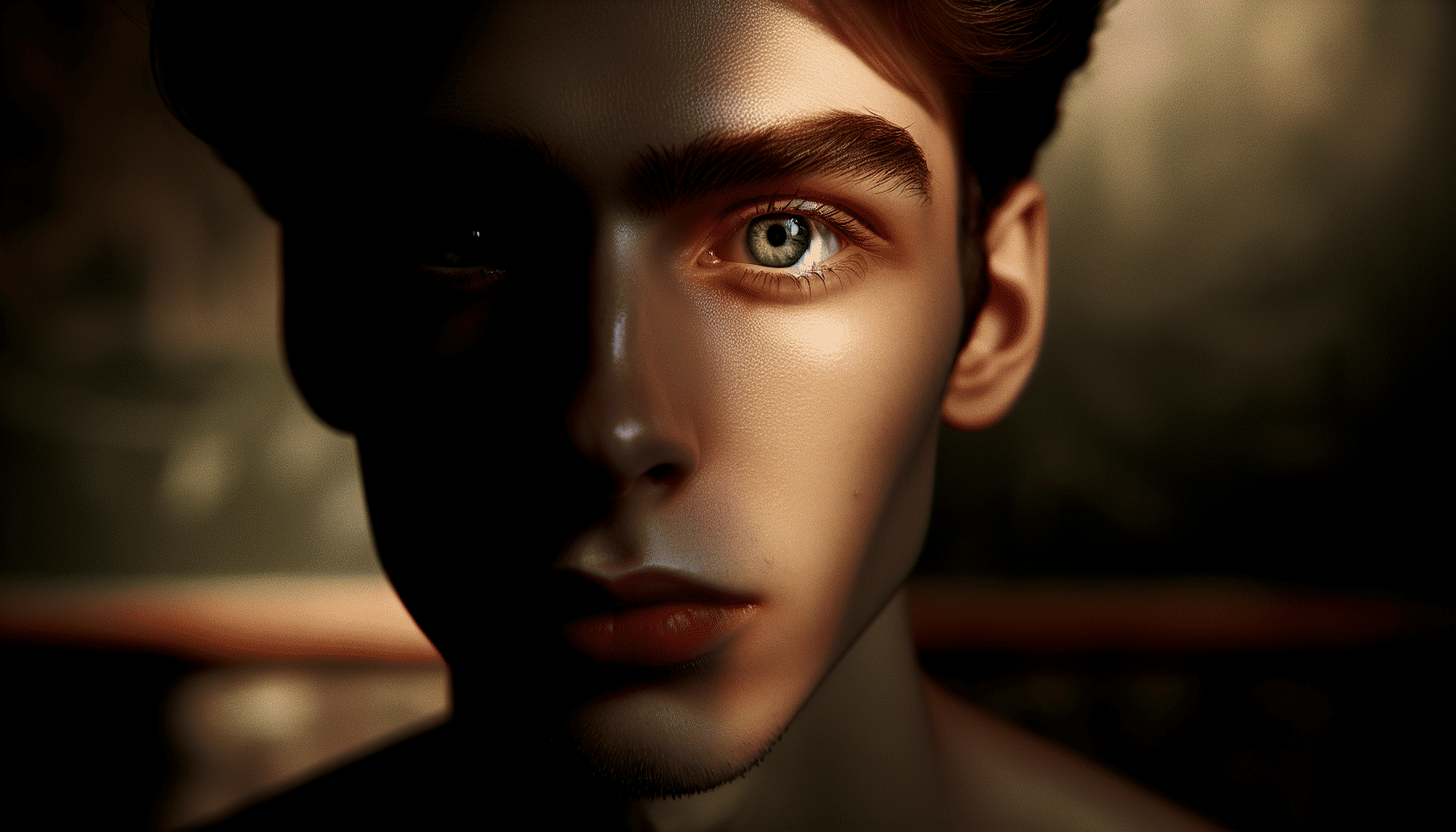
Creating captivating portraits is an art that extends far beyond just pointing a camera at a subject. At the heart of extraordinary portrait photography are the skilled techniques of lighting and shadow work. Understanding these elements can transform your images from ordinary to stunning, giving them depth and character that resonate with viewers.
The magic of portrait photography lies in the way light is manipulated to accentuate the subject's natural features. To start, consider the primary light source. Whether it’s natural sunlight streaming through a window, a lamp, or a professional studio setup, the angle, intensity, and color of light can drastically alter the mood and focus of a portrait.
The Role of Light
Light Direction: The direction from which light strikes a subject determines the shadows and highlights. Front lighting is often used for a soft, even illumination, but can sometimes result in flat images. Side lighting or 'Rembrandt lighting' creates a triangular highlight on the cheek, offering a more three-dimensional appearance and revealing textures and contours.
Intensity: The strength of the light affects how details appear in a portrait. Softer light, achieved by diffusing the source, can gently smooth the subject’s skin for a flattering look. In contrast, harsher light from above creates stark contrast and can be evocative for more dramatic portraits.
Color Temperature: Different light sources have various color temperatures, measured in Kelvin. Warm lighting (lower Kelvin numbers) can add a cozy feel, while cooler lighting (higher Kelvin numbers) gives a brisk, contemporary vibe. Adjusting the white balance on your camera ensures that the colors in the final photo reflect the intended atmosphere.
The Influence of Shadows
Shadows are powerful compositional tools in portrait photography. They can create drama, emphasize depth, and guide the viewer’s eye across the image.
Shadow Placement: Experimenting with how and where shadows fall on the subject can create alluring contrasts and unveil unique aspects of the subject's face. Master photographers use shadows to lead the eye to particular facial features or to craft an air of mystery.
Moody Effects: Portraits with deliberate shadow work often evoke emotions such as intrigue or depth. Playing with shadow length and density can drastically change the perception of the photograph. Urban environments or studios offer a vast array of shadow possibilities that challenge creativity.
Combining Light and Shadow
The interplay between light and shadow is where true mastery begins. By skillfully balancing both, a portrait photographer ensures that the subject’s features are prominently displayed, while still offering a complex, layered visual narrative.
-
Practice and Experimentation: Each lighting setup offers different outcomes. Trying various positions for lights, reflectors, or blockers can reveal surprising results.
-
The Golden Hour: Natural sunlight during the 'golden hour' — early morning or late afternoon — offers a soft yet rich quality of light that's flattering and ideal for creating dramatic shadows.
Conclusion
Enhancing portraits with light and shadow is more than just a technique; it’s a storytelling device. By understanding and manipulating lighting, photographers can create compelling portraits that reflect the subject's personality and draw the viewer into their world. As you explore different methods, remain open to experimentation, and allow your creativity to guide your work in capturing the timeless beauty of human expressions.