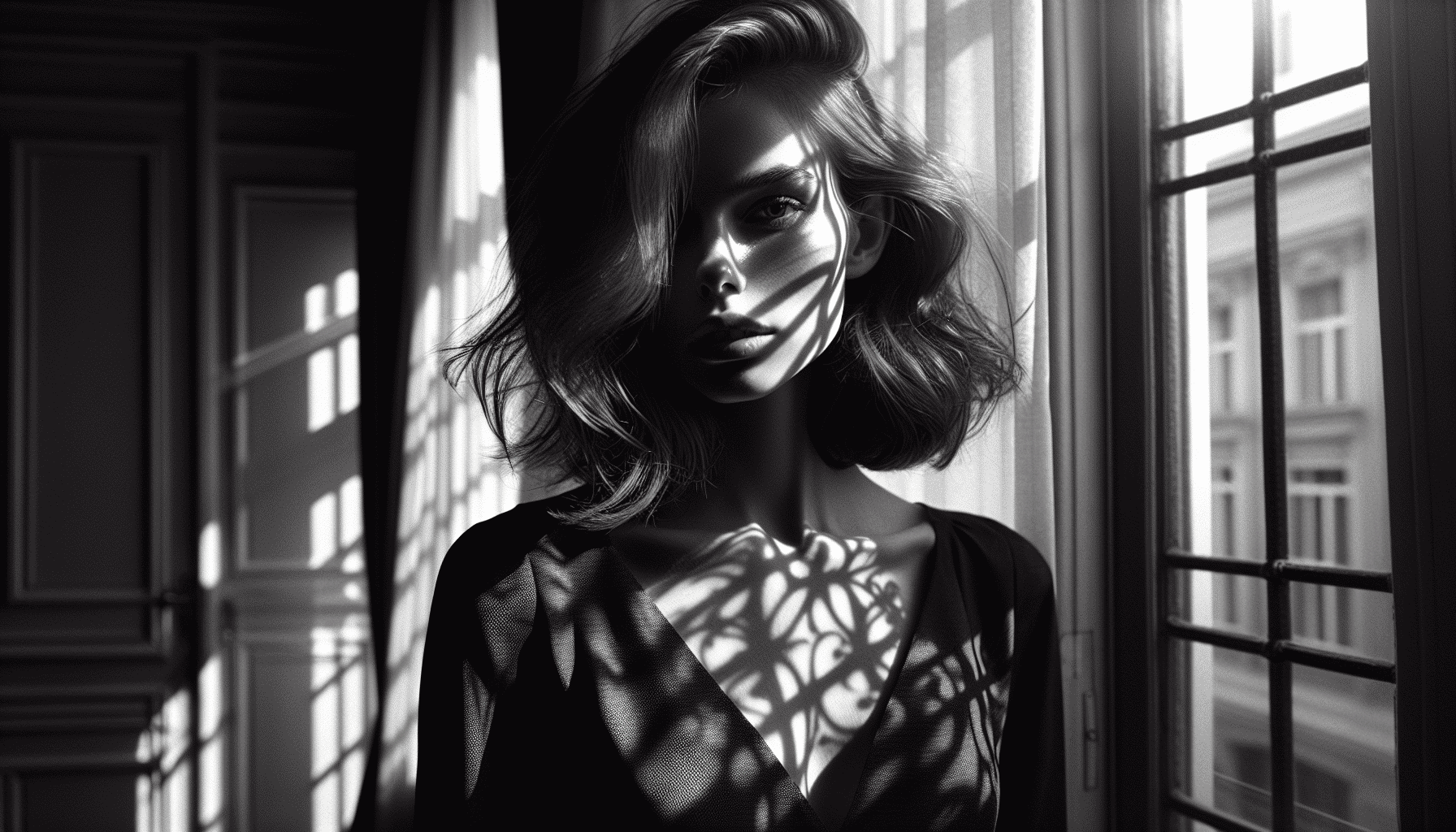
Understanding the interplay of light and shadow opens up a realm of possibilities when aiming to infuse your photographs with depth, mood, and an artistic touch. Mastering this balance helps transform ordinary scenes into dramatic, captivating images, engaging viewers by revealing hidden layers and textures.
One of the most powerful tools in creating impactful images is natural sunlight. The Earth's most abundant light source offers variations throughout the day, creating distinctive shadow shapes and angles. Early morning and late afternoon, known as the “golden hours,” cast soft, warm hues that produce long, gentle shadows. These times are particularly beneficial for capturing a serene, magical atmosphere in landscapes or portraits.
Midday sunlight can be harsh, often washing out details and colors. However, it also offers sharp, defined shadows perfect for graphic compositions. Playing with these strong contrasts can give an edgy, bold character to your images, perfect for those seeking a more intense visual impact.
Experimentation is key when diving into the artistic aspects of shadow play. Utilize different angles to see how the light source interacts with your subject. Move around, or change the position of your subject, to create varying shadow lengths and densities. This exploration may reveal unexpected shapes and forms that add an element of intrigue to your composition.
Indoors, windows act as an outstanding light source, diffusing the light and creating beautiful, soft shadows. The pattern of window frames can cast fascinating shadows that add structure and rhythm to your composition. Adjusting curtains or blinds allows fine control over the light entering the room, giving you creative freedom to design the ambiance you desire.
Artificial lighting, such as lamps, offers another dimension for creativity. By manipulating the intensity or direction of these light sources, you can replicate natural light situations or invent completely novel lighting conditions. Playing with colored gels or translucent materials can imbue your scene with unique tones, further influencing the photograph's mood.
Textures and surfaces also play a critical role in how shadows are cast and perceived. A textured background or a bumpy surface can create complex shadows that enhance your image's detail and add a sense of depth. Experimenting with surfaces such as fabric, brick, or glass can lead to surprising results, as their interplay with light creates a wide array of shadow patterns.
Understanding the narrative element that light and shadow bring to an image is crucial as well. Shadows can guide the viewer's eye toward the main subject or away from less important areas, aiding in storytelling. Light, on the other hand, can highlight emotions and bring focus to facial expressions or intricate details.
Lastly, post-processing offers additional avenues to accentuate or soften light and shadows in your images. Adjusting contrast, brightness, and shadow levels during editing can refine the composition to match your creative vision, enhancing the story you aim to tell.
Embrace light and shadow as co-creators in your artistic journey. Their dynamic relationship is a powerful storyteller, revealing layers upon layers to the attentive viewer. Engaging with this creative process invites a deeper appreciation of the world through your lens, transforming everyday moments into extraordinary visual tales.